
Bangkok Air Quality Season: When PM2.5 Peaks and How to Plan Around It
If you’re planning a Thailand trip for late in the year, Bangkok’s seasonal air pollution is worth knowing about before you book, not to avoid the city, but to set realistic expectations and know how to check conditions before and during your trip.

What’s actually happening
Thailand, like much of mainland Southeast Asia, experiences a seasonal rise in fine particulate pollution (PM2.5) roughly from November through March, driven by a combination of vehicle emissions, cooler air trapping pollutants closer to ground level, and regional agricultural burning. Bangkok is generally less severely affected than northern cities like Chiang Mai, but it isn’t immune, official monitoring has recorded Bangkok PM2.5 levels reaching the “orange” health-affecting threshold on a number of days even in a comparatively better year.
The good news: authorities have reported measurable improvement recently, with Bangkok’s average PM2.5 and the number of days exceeding national standards both dropping year-over-year in the most recent monitored season. It’s trending better, but the season itself hasn’t disappeared.
When it’s typically worse and better
• Worse: Generally December through February tends to see the most days with elevated readings, as cooler, stiller air settles over the city.
• Better: The rainy season (roughly May–October) typically has the cleanest air, since rain clears particulates from the atmosphere.
• Chiang Mai and northern Thailand are usually affected more severely and for longer than Bangkok, due to regional crop burning, if air quality is a major concern, factor that into any side trip north during peak season.
How to check before and during your trip
• Check a live air quality index (AQI) app or site (such as IQAir or Thailand’s own Air4Thai) a few days before travel and again once you’ve landed, conditions can shift day to day.
• Don’t rely on last year’s headlines, conditions vary meaningfully by year and even week to week within a season, so check current data rather than assuming the worst (or the best) based on what you’ve read.
• If air quality is elevated during your stay, a basic N95-style mask, staying in air-conditioned spaces during the worst hours, and checking the index before extended outdoor activity are the standard precautions.
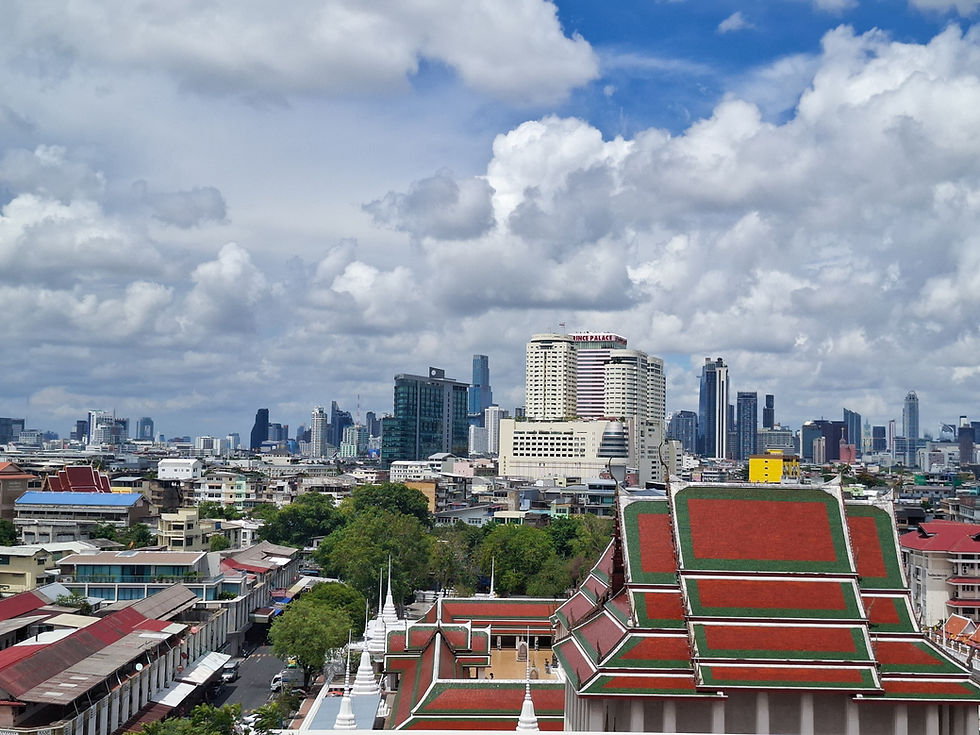
Does this mean you should avoid visiting?
Not necessarily. Most travelers visiting Bangkok during the cooler months (which is also peak tourist season, for good weather reasons) won’t have their trip significantly disrupted, but if you have respiratory sensitivities, it’s worth checking conditions closely before committing to specific dates, and building some flexibility into outdoor-heavy plans.
Our take
This isn’t a reason to cancel a Bangkok trip during high season, most visitors come and go without issue. But if you’re sensitive to air quality, check a live index a few days out rather than relying on general seasonal reputation, and keep an eye on it once you’ve arrived so you can adjust plans on a bad-AQI day rather than being caught off guard.
Frequently asked questions
Is Bangkok’s air quality worse than Chiang Mai’s during burning season? Generally no, Chiang Mai and northern Thailand tend to see more severe and longer-lasting pollution from regional agricultural burning than Bangkok does.
What months should I check air quality most carefully for a Bangkok trip? Roughly December through February is when elevated readings are most common, though it varies year to year.
Are outdoor activities safe during this season? Usually yes on an average day, check a live AQI reading before and during your trip, and treat it the way you’d treat any other weather-dependent plan.


Comments